Sacred History Technologies
“Accessible story. Living legacy.”
There comes a quiet moment in the life of every community when the rhythm begins to change. It does not arrive all at once, nor does it announce itself with urgency. It comes gently—almost imperceptibly at first—felt in the stillness of spaces once filled with conversation, in the soft echo of footsteps where there was once a steady procession of purpose.
The buildings may still stand, the work may still continue, but something has shifted. The presence that once carried the mission so fully is no longer held in the same way. And slowly, faithfully, the mission begins to move—into new hands, new expressions, new forms.
Communities of women religious are entering a significant season.
And in seasons like this, a quiet question begins to rise—sometimes spoken, often simply felt:
What will remain, and how will it be carried forward?
Because what has been built—what has been lived—has never resided solely in walls or institutions. It was never only in the structures, the ministries, or the visible work.
It lived—and still lives—in the women themselves.
In their yes.
In their fidelity.
In the quiet, daily offering of a life given over to mission.
They were not simply carrying the mission.
They were the mission—embodied, lived, and expressed in ways both seen and unseen.
And from that life, story naturally unfolds.
Stories carry the weight of what cannot be captured in structure alone. They hold the courage of decisions made when the path forward was uncertain. They remember the risks taken in faith, the quiet acts of service that never sought recognition, the moments when conviction outweighed comfort.
And each story is carried, in part, within the one who lived it—often in ways that are never fully written down.
So when a sister's physical life comes to its natural close, some of that living memory quietly passes with her, unless it has been gathered and shared.
And yet, there is a truth we are beginning to face with increasing clarity.
Many of these stories—sacred in their origin, formative in their impact—are becoming difficult to access. They are scattered across time, held in fragments, preserved in ways that were never designed for continued use. They exist, and yet they remain just beyond reach.
And when stories cannot be accessed, something deeper begins to slip away.
Legacy becomes harder to interpret, no longer anchored in the lived moments that gave it meaning. Charism, once embodied and unmistakable, becomes more difficult to articulate. Leadership is left to move forward without the full inheritance of wisdom that once guided it. And those who come next receive not the fullness of what was given, but only pieces—partial glimpses of something that was once whole.
Because history that cannot be accessed cannot shape the future.
And still, the mission is not finished. It is not ending; it is being entrusted. It is being carried forward, offered into the care of those who will continue the work in ways both familiar and new.
So the question becomes not whether the mission will continue, but how it will be formed.
What will those who come next receive? Will they be able to encounter the depth of story that shaped the mission in its earliest days and sustained it through moments of uncertainty? Will they be able to understand not only what was done, but how and why it was lived so faithfully?
Or will they be left to reconstruct meaning from fragments?
Sacred History Technologies exists within this very question.
It exists to ensure that the stories of women religious remain within reach—not as static records, but as living sources of formation. It is the careful work of gathering the threads of individual lives, of honoring the ministries and contributions that shaped communities, of preserving not only what was done but the spirit in which it was carried out.
It is the work of remembering each sister fully—her life, her service, her place within the unfolding story—and of honoring her final resting place as part of that continuum, where memory and sacred ground meet and remain connected across generations.
It is the work of shaping systems that do more than store information. Systems that allow stories to be found, engaged, and understood. Systems that recognize that accessibility is not a technical detail, but the very condition that allows legacy to continue its work.
Because there comes a time when physical presence changes. When the mission is no longer carried in the same rooms, by the same voices, in the same ways.
And in that moment, what remains accessible is what remains alive.
Accessible story becomes the primary carrier of mission.
This is not simply about preserving the past. It is about ensuring that the wisdom, the courage, the faithfulness embedded in these stories can continue to form those who will carry the mission forward. It is about building a bridge strong enough to hold what has been given and clear enough to be crossed by those who come next.
Sacred History Technologies stands within that space—between what has been lived and what is still unfolding—ensuring that legacy does not fade into memory alone, but remains present, active, and capable of shaping the future.
Because what is accessible is what shapes the future.
With hope and purpose,
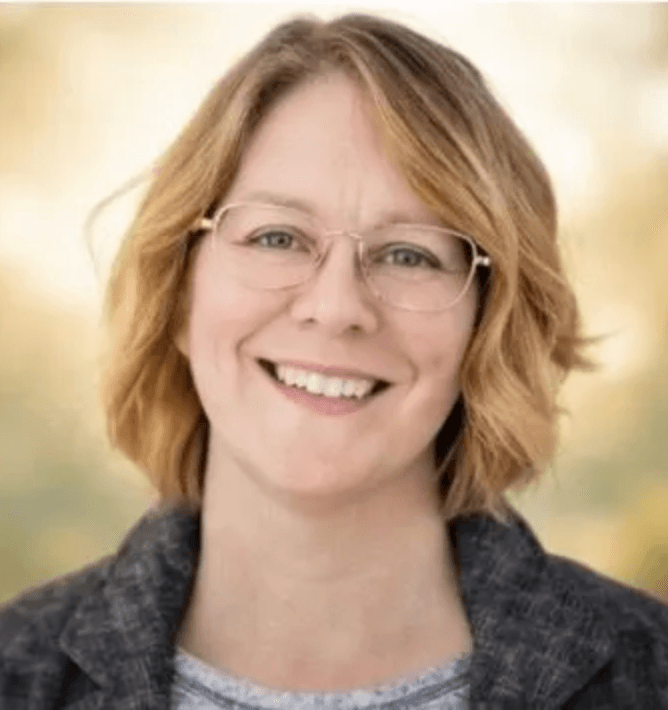
Cindy
Founder, Sacred History Technologies
The Members Dedicated to the Mission
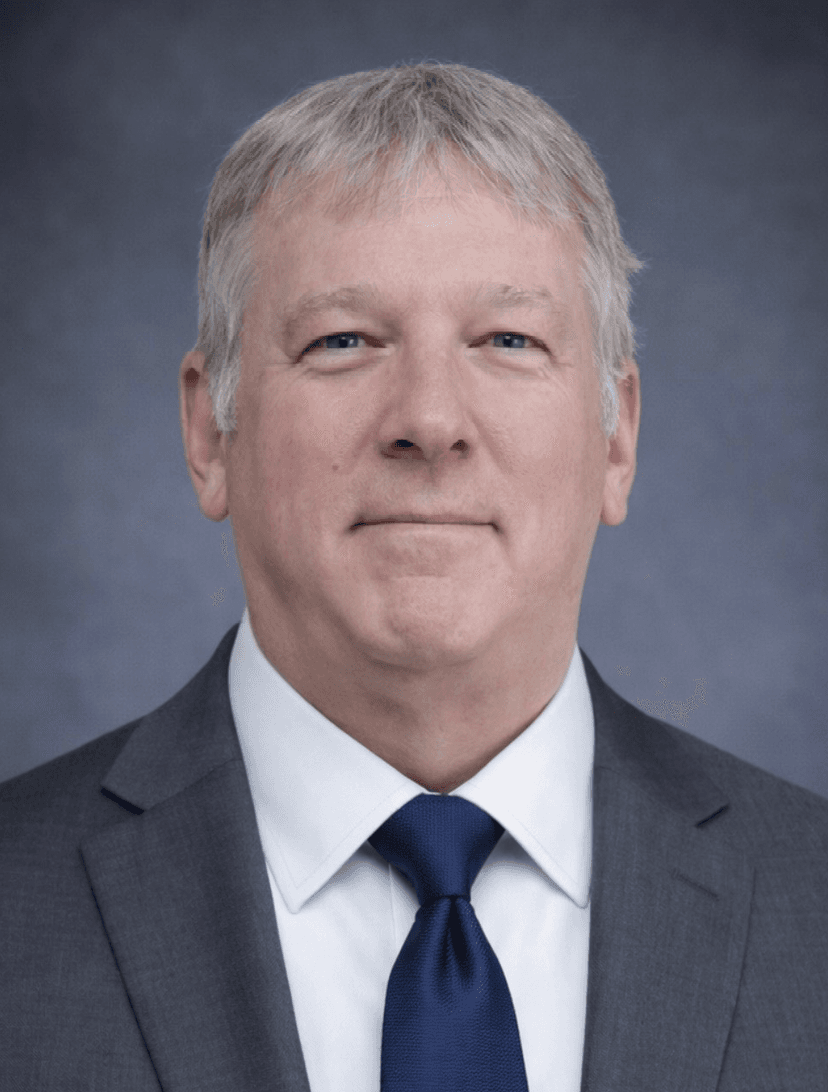
Brian
CEO
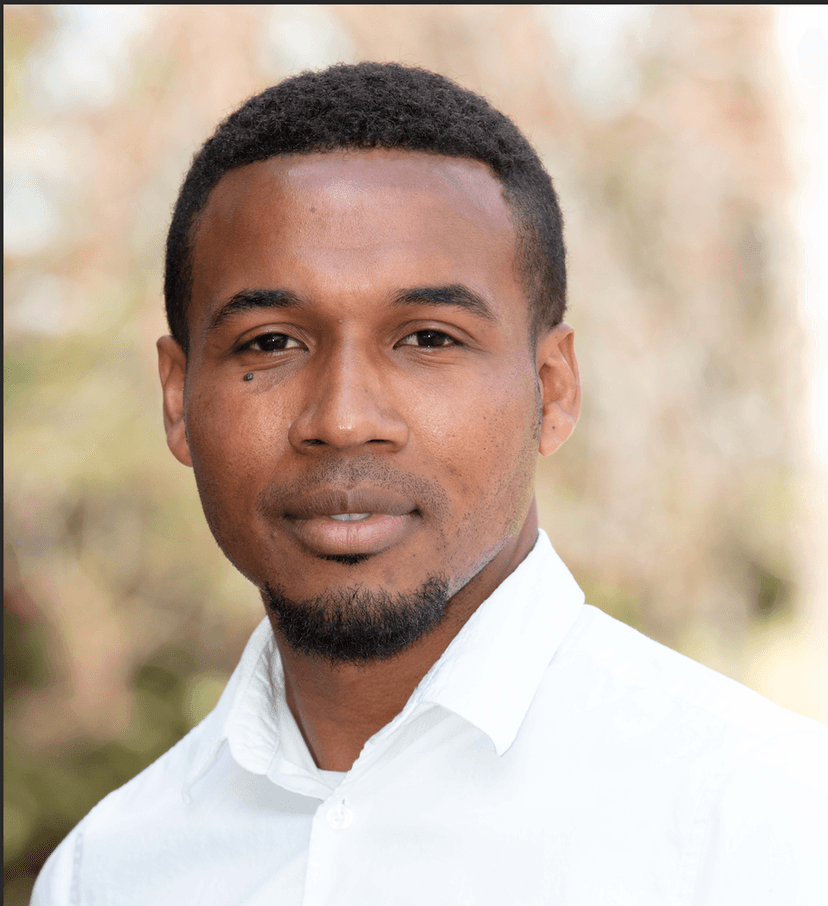
Enrique
COO

Nick
CIO
Ready to preserve your community's legacy?
Meet the religious communities we already walk alongside, or reach out and start a conversation about your own.